
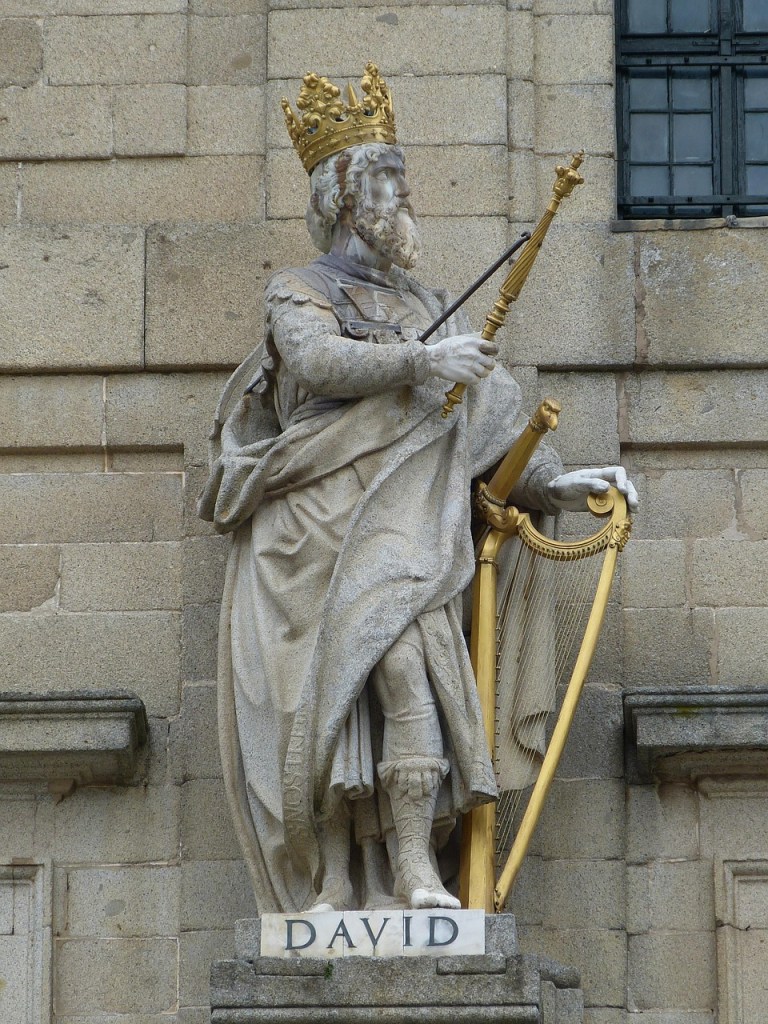
As you might know, my given name is David. My parents named each of us after Biblical characters, and even had unique pieces of art commissioned based on our names that were displayed in our home. So, because my name is David, I have an intense interest in the Psalms, many of which were written by King David at various stages of his life. I have come to regard the psalms as expressions of real life that are just as relevant today as they were in Old Testament times.
David appeared to have a formula for how he approached God. He openly laid out his woes and fears before the Lord in opening verses. “I am worn out by my groaning,” (Psalm 6:6), “How long, Lord? Will you forget me forever?” (Psalm 13:1), “Be merciful to me, Lord, for I am in distress” (Psalm 31:9). Real and raw emotion is expressed, the kind we might often feel.
Sometimes I wonder if I can apply these words to my life. After all, I have never lived as an outcast, as David did when he was pursued by Saul. I do not know the pain of treachery by any of my children. And I have certainly not been called to rally the tribes of Israel around my leadership. My cares seem insignificant in the shadow of what David faced. Yet they are very real to me, and I believe that these psalms have survived for this purpose.
This morning, I experimented with writing my own psalm of lament, pouring out my heart to God, identifying my cares and worries. In my case, I have been challenged with some fervent prayers that have seemingly gone unanswered. My head knowledge understands all the possible spiritual reasons for this and how God might be working, but it is still difficult when it feels like God is silent and unresponsive, leaving me feeling very much alone. So in my lament, I shared all these complaints as honestly as possible. “C’mon, God — get busy! Hear me and respond!”
But these psalms of David do not end with these complaints, but instead express trust in God’s provision based on the way He has worked in the past, offer praise to God despite the angst, and end with words of hope and expectation. How can David do that after all the charges he levied against God in the first part of each psalm? It seems to me that this is actually a strong spiritual discipline that David developed. I cannot believe he was always basked with this incredible confidence in the Lord. Instead, those endings to his psalms seem to be saying, “It is difficult to trust in the Lord right now, but I know that He IS my only hope, so I MUST express that hope for my comfort and trust walk.
Therefore, I crafted those words of praise and hope to the Lord, building my own spiritual discipline based on the model of the Biblical David. And now I once again wait on the Lord.


We saw the Sight & Sound production of âDavidâ down in Branson. Well worth a trip!
Mark Shockey | Pastor https://stpetersedina,org/
612-799-0512
LikeLike
Well done
LikeLike